Since it was established in 2009 as a non-commercial space for contemporary art, Beirut Art Center (BAC) has resisted reductive narratives of what it does, what it means, and how it keeps going.

This sub content title section you can add you real content.
Since it was established in 2009 as a non-commercial space for contemporary art, Beirut Art Center (BAC) has resisted reductive narratives of what it does, what it means, and how it keeps going.
In a Lebanon defined by fragility and resilience in equal measure, the act of protecting culture is one of resistance. Few understand this better than Youmna Ziadé Karam, who brings her multidisciplinary experience in law, banking, and heritage advocacy to the Nuhad Es-Said Pavilion for Culture – where she represents the National Heritage Foundation in the Pavilion’s Committee.
In “Unfolding Realities”, a joint exhibition between Amman’s Khuzamah Abujoudeh Gallery and Beirut’s Galerie Tanit, curator Randa Sadaka brings together Tamara Haddad and Ghassan Zard, two artists whose visual languages diverge yet meet through a shared sensitivity to perception, space, and emotion.
In 2014, Artscoops began as Raya Mamarbachi’s answer to a simple gap: access. In a regional market still anchored in physical spaces, she imagined a digital platform where new collectors could find their footing and artists could reach audiences far beyond their immediate circles.
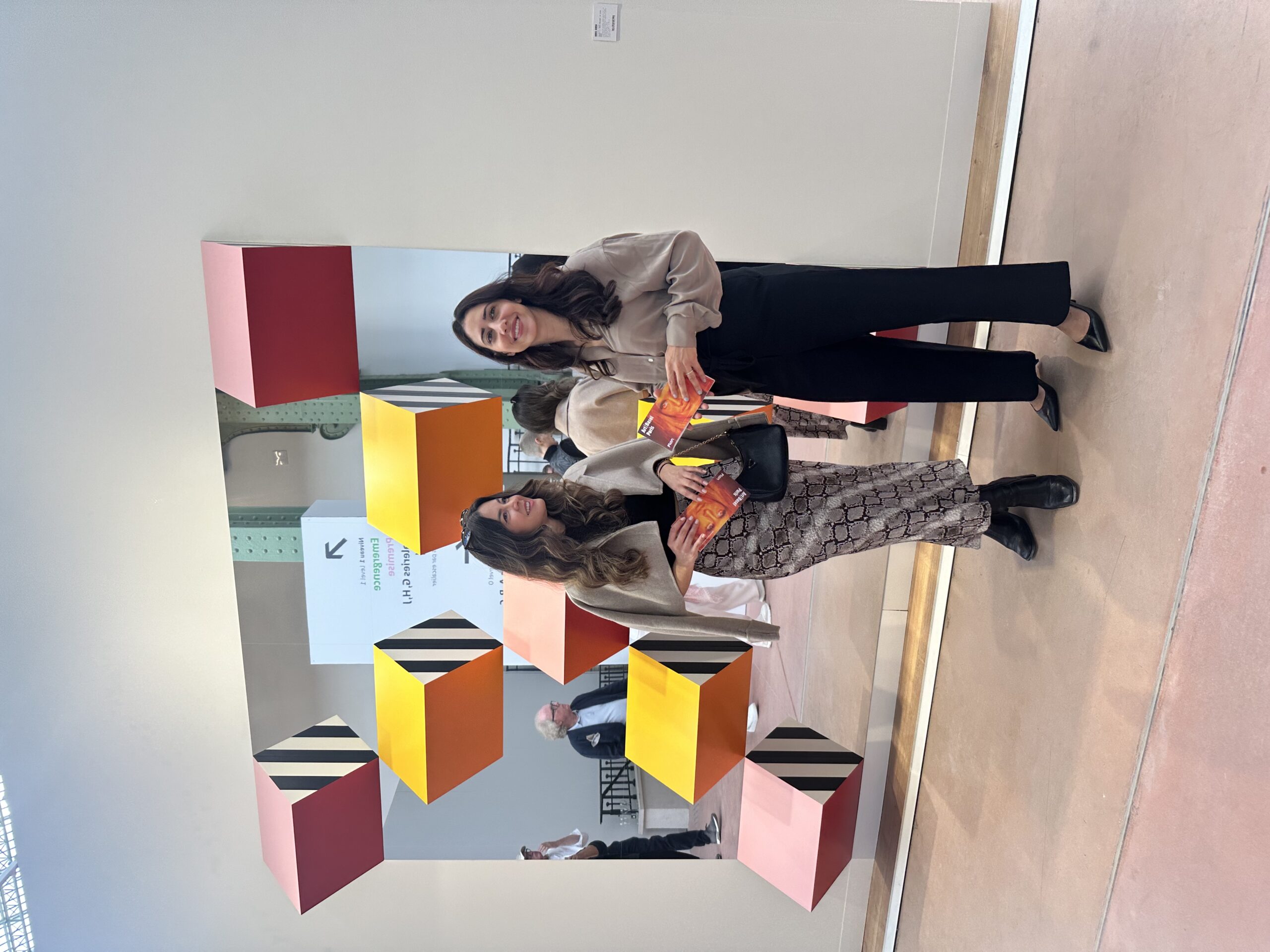
When Nathalie Ackawi and Amar A. Zahr first founded Beirut Art Residency, their mission centered on an artist-first philosophy, placing the creative process at the heart of community engagement.
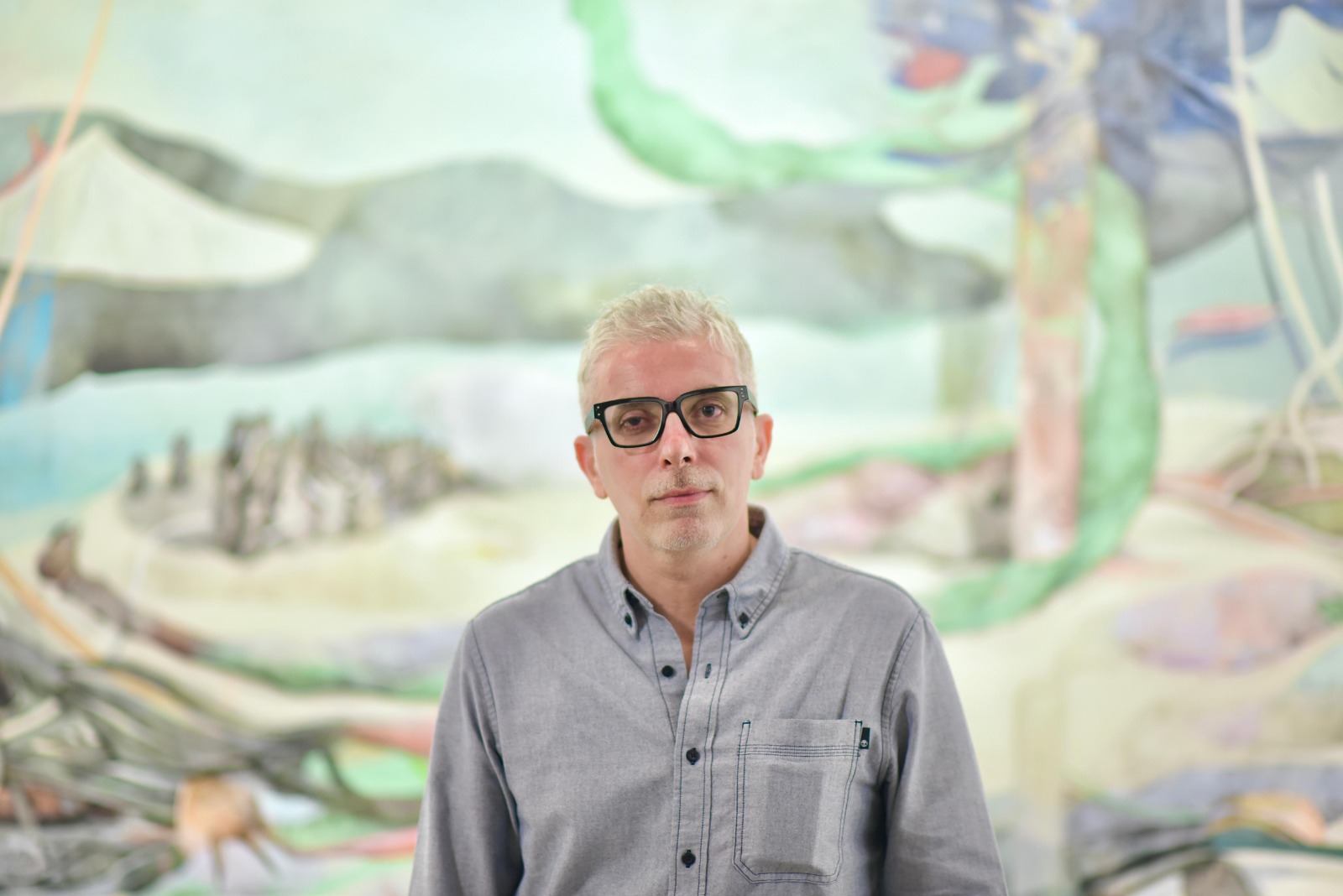
Somewhere between personal memory and collective collapse, “What Remains” is Adel Abidin’s poignant reminder of the scars and debris history leaves behind – even, or especially, as it repeats itself.
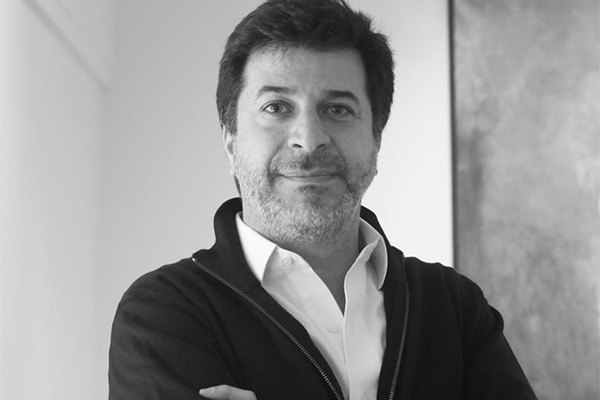
“Nothing but Flowers” is an invitation for all to reconnect with the most universal symbol of life and renewal. A reminder, as Barakat tells ult.society, that happiness can still bloom in difficult times.