
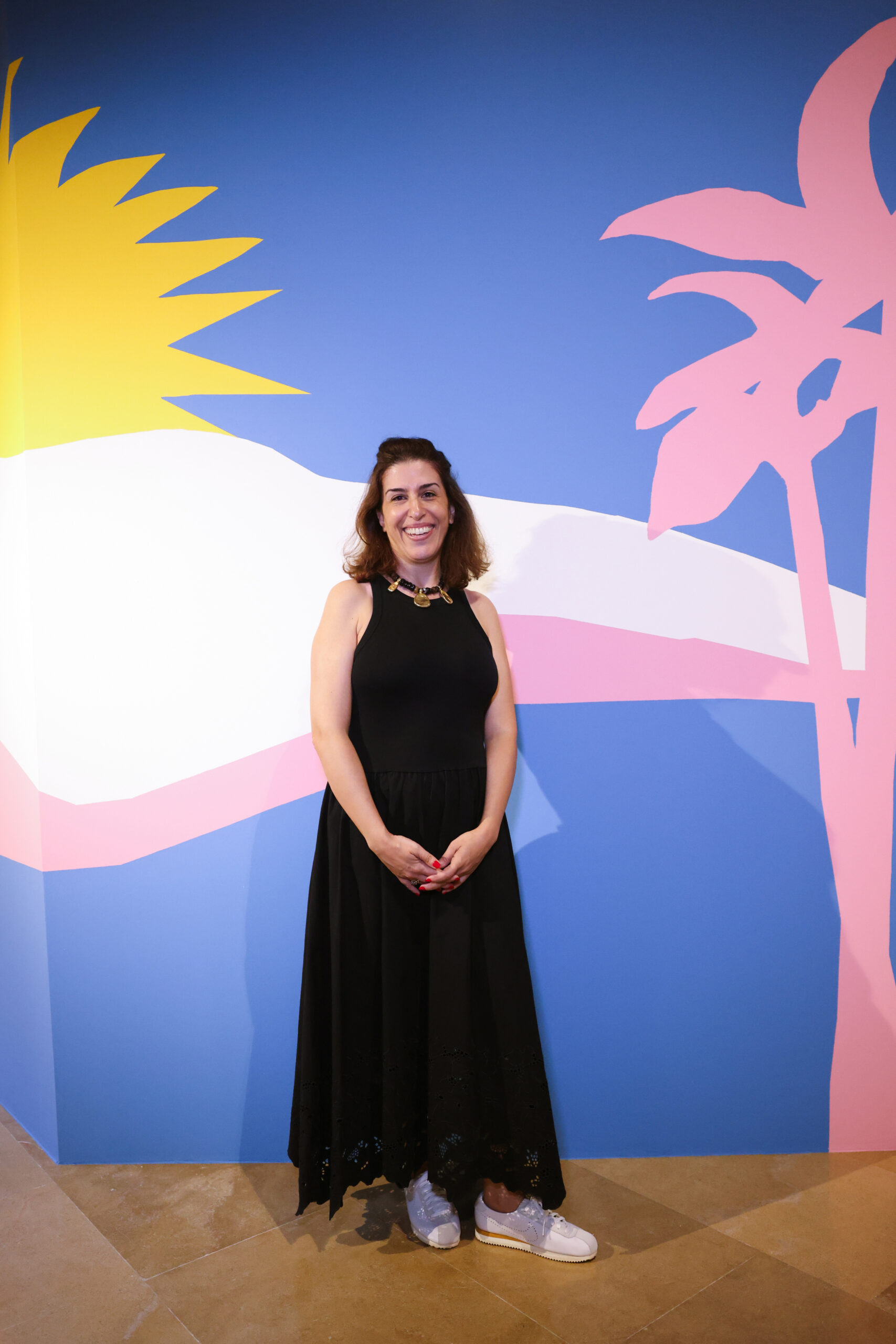
In a Lebanon defined by fragility and resilience in equal measure, the act of protecting culture is one of resistance. Few understand this better than Youmna Ziadé Karam, who brings her multidisciplinary experience in law, banking, and heritage advocacy to the Nuhad Es-Said Pavilion for Culture – where she represents the National Heritage Foundation in the Pavilion’s Committee.
In this ult. conversation, Ziadé Karam reflects on creating space for culture in the midst of crisis, the responsibility of safeguarding identity, and how the Pavilion is carving continuity in a country that keeps being asked to start over.
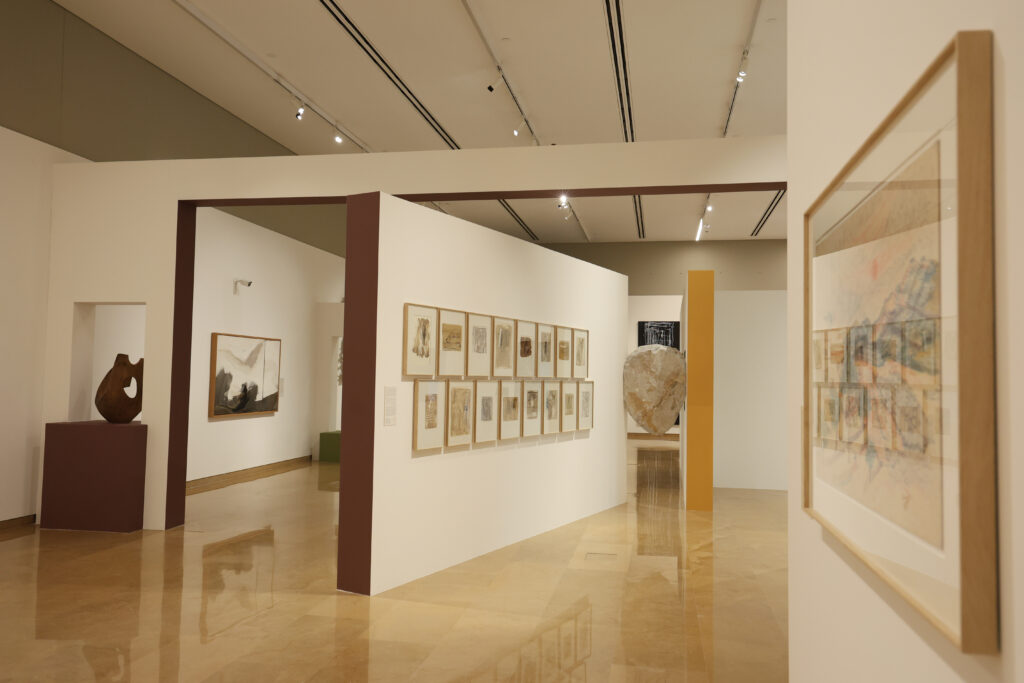
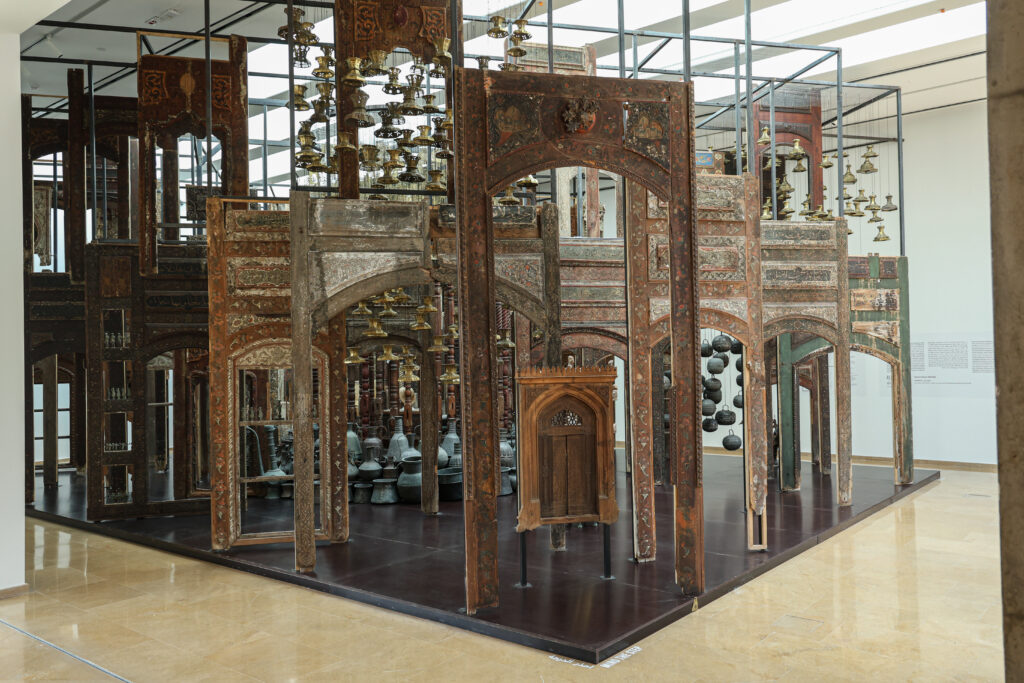
Views from the Nuhad Es-Said Pavilion for Culture’s inaugural exhibition Portals & Pathways, designed and organized by BeMA.
The Nuhad Es-Said Pavilion for Culture was inaugurated in 2024, at a particularly difficult time for Lebanon. What were the challenges you faced launching this ambitious project in the midst of national turmoil? How do you reckon the timing and context influenced the message and meaning of this launch?
The Nuhad Es-Said Pavilion for Culture opened its doors to visitors in October 2024 and remain accessible to audiences wishing to discover its spaces – its Pavilion Café and its inaugural exhibition designed and organized by the Beirut Museum of Art (BeMA). Since March 2024, we have spent time and effort to bring to life a space and inhabit it with culture, with the sole purpose of offering the Lebanese a meaningful experience. At a time when our country was being bombarded daily, our people were suffering, our land was being ravaged and entire families were being displaced, the doors of this pavilion and those of the National Museum of Beirut remained open to guarantee the continuity of Lebanon’s cultural heritage.
The inaugural exhibition Portals and Pathways, A Journey Through Reality and Imagination, curated by BeMA, embodied its true and primary objective: opening doors and creating passages to immerse the public in a journey through culture and imagination. It was more than ever a testament to the strength, richness, and diversity of artistic practices in Lebanon, instilling in every visitor a sense of pride and a glimmer of hope. Far beyond what we had imagined, this exhibition stood as a benevolent and silent bridge connecting people, and shielding them against time.
Can you describe the Pavilion’s vision and mission — what purpose does it seek to serve, and what kind of dialogue or exchange does it aim to foster in Beirut’s cultural landscape?
The Nuhad Es-Said Pavilion for Culture is a space dedicated to artistic and cultural dialogue, a celebration of aesthetics and the importance of memory. This addition to the Lebanese cultural landscape aims to reaffirm the National Museum of Beirut’s position as the preeminent symbol of national heritage – past, present, and future, a vibrant and constantly evolving cultural institution.
The Pavilion’s new spaces are designed to host exhibitions, events, and cultural activities throughout the year, welcoming both local and international initiatives. These spaces provide the Museum with the necessary area to continue playing an active role in developing the ever-evolving national cultural landscape by prioritizing learning experiences, exploring new frontiers, and collaborating with various actors and resources from Lebanon’s cultural and creative ecosystem. Lastly, the mission of the Pavilion and its Pavilion Café is to support the National Museum of Beirut by generating revenues that will be used to maintain it.
How is the Pavilion structured and its momentum sustained? Who are the key stakeholders involved, and how do they collaborate to keep it active and attuned with the market?
The establishment of the Nuhad Es-Said Pavilion for Culture marks a new chapter in the longstanding commitment between the National Heritage Foundation and the National Museum of Beirut. Chaired by Mrs. Mona Haraoui, the Foundation was tasked, following the civil war, with the renovation and rehabilitation of the National Museum. Since then, it has continually played a crucial role in the preservation and maintenance of the museum.
It is this close bond with the Museum that has enabled the Foundation to identify the need and potential to create a dialogue platform between diverse artistic expressions and the general public. By exploring various ideas and means to raise the necessary funds to realize its vision, the Foundation enlisted donations from the Es-Said family, the main contributor to the project in honor and memory of Nuhad, a passionate art collector, scholar, and family man. The Foundation was also able to successfully secure generous additional donations from private donors and businesses.
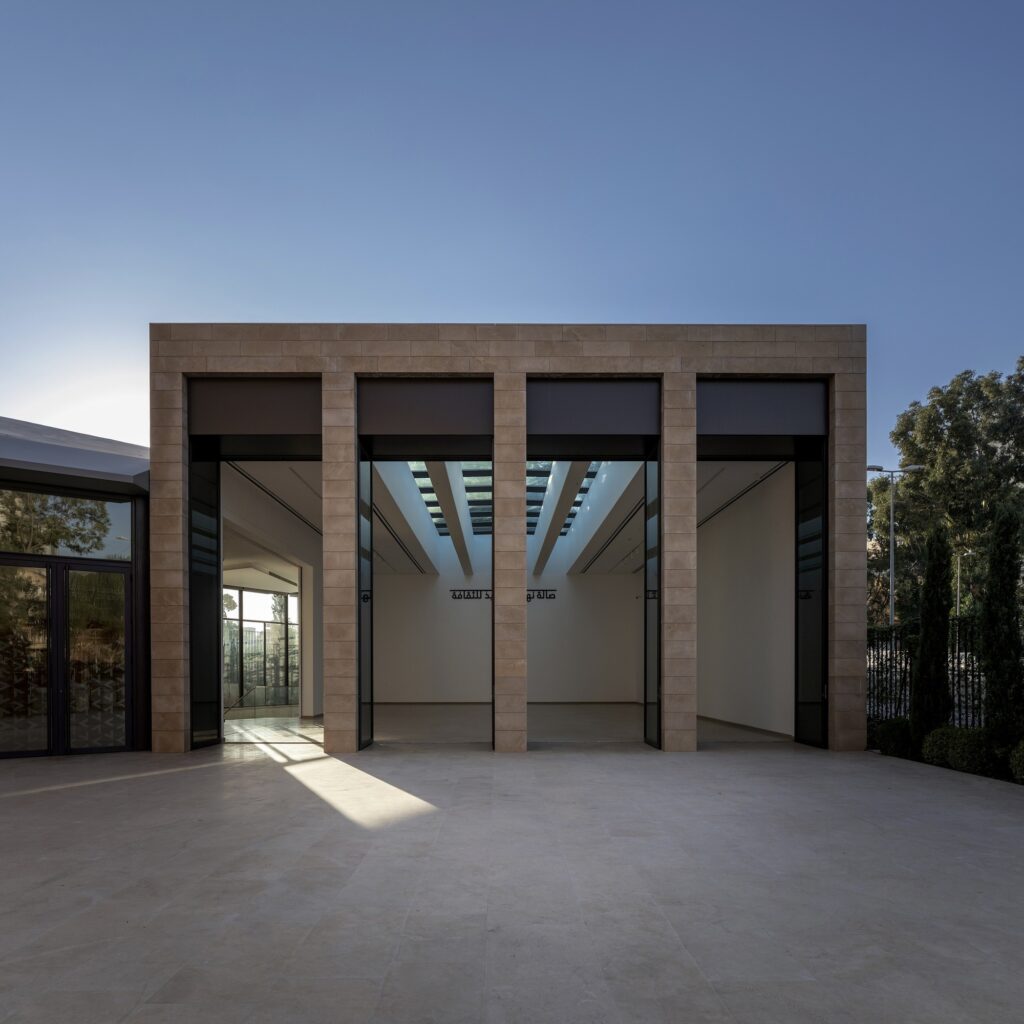
View of the Nuhad Es-Said Pavilion for Culture.
In the current context of Lebanon’s art scene, how do you see the Pavilion positioning itself? What kind of role does it want to play among artists, curators, and audiences? Going forward, how do you see this positioning and role evolving?
Like I said, this pavilion serves as a vibrant space for dialogue between diverse disciplines, fostering meaningful exchanges of ideas and perspectives. It bridges the past and the present, inviting visitors to explore how heritage continues to shape contemporary creativity. By encouraging collaboration among cultural institutions, heritage professionals, and artists, it becomes a dynamic hub of shared knowledge and innovation. The pavilion celebrates the richness of different traditions and artistic practices, highlighting their interconnectedness. Through its exhibitions and programs, it reveals multiple facets of our collective heritage, inspiring reflection and mutual understanding. By connecting different worlds and confronting different visions on the same subject you create amazing outcomes and take our collective understanding of who we are to the next level.
The program “From Venice to Beirut” seems to open a new chapter for the Pavilion. Can you tell us about the concept behind it and how it connects to the Pavilion’s broader mission?
We are proud to launch this new program “From Venice to Beirut” bringing to Lebanon the Pavilions of Art and Architecture that have represented the country at the Venice Biennale for nearly two decades. This initiative celebrates Lebanon’s contemporary art by offering local and regional audiences the opportunity to experience notable projects that have carried the nation’s voice onto the world stage. The Pavilion acts as a continuation of the life of these internationally presented projects, bringing them back to Lebanon, by providing a space where local audiences can engage with them within the Lebanese cultural and social context. It is essential to show all Lebanese, especially students and the younger generation, what our country is presenting on the international art stage.
The Lebanese Pavilion at the Biennale Arte 2022 is the first to be hosted at the Nuhad Es-Said Pavilion. It invites you on a symbolic journey into our contemporary world through the theme The World in the Image of Man, a city, Beirut and two artists: Danielle Arbid and Ayman Baalbaki, who maintain a political and aesthetic dialogue through two creations that are so far and yet so close. This Pavilion is curated by Dr. Nada Ghandour, organized by the Lebanese Visual Art Association (LVAA) in partnership with the Dalloul Art Foundation (DAF).
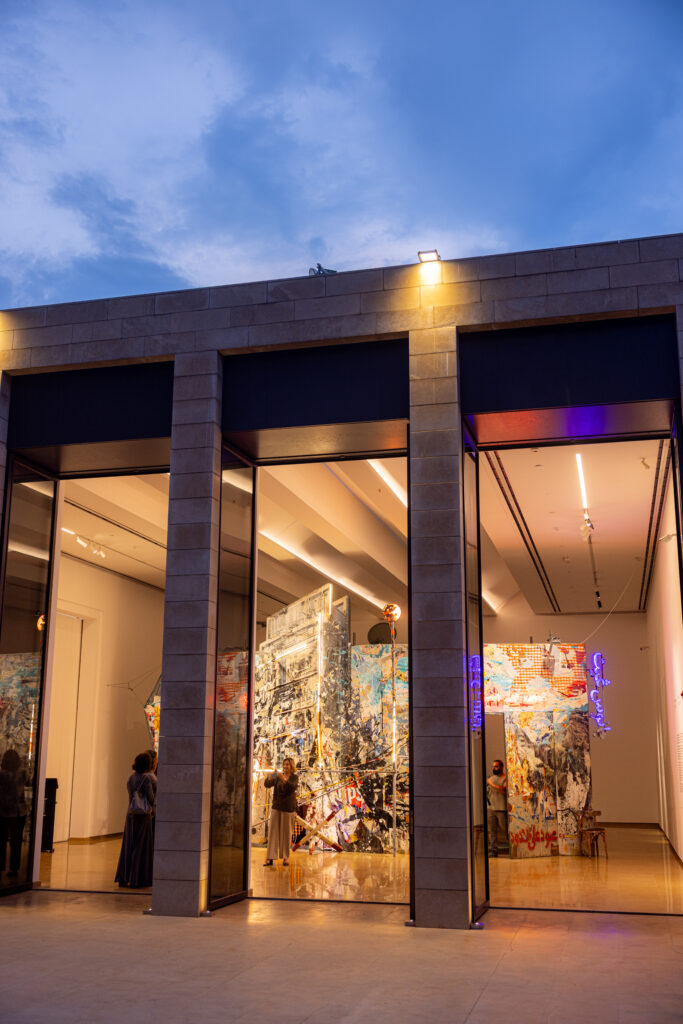
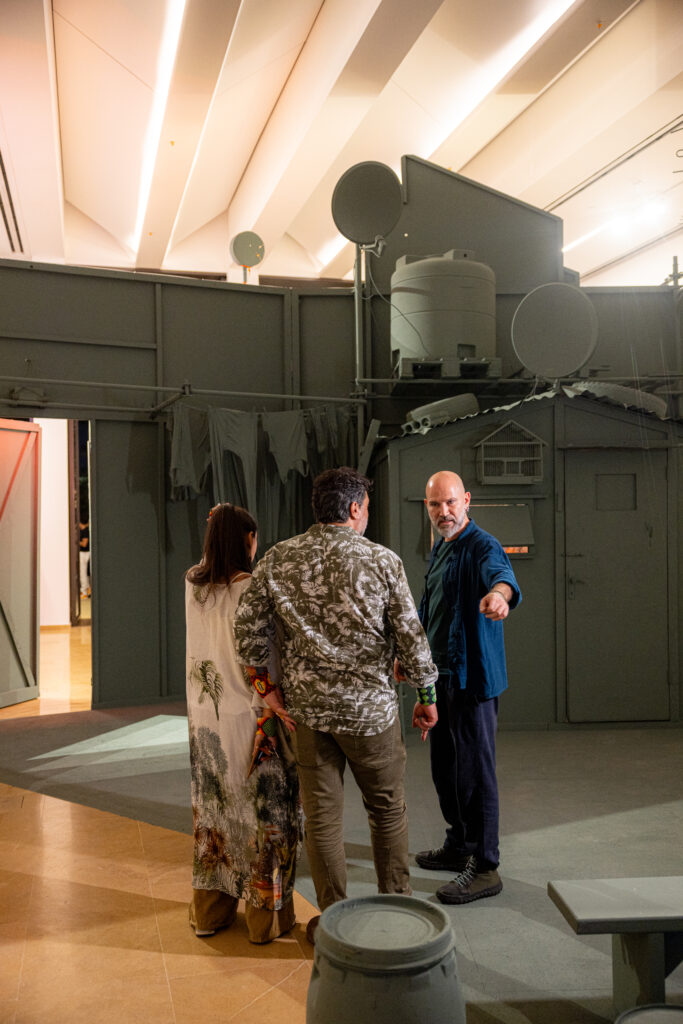
Views from the exhibition The World in the Image of Man.
Given the persistent challenges facing cultural institutions in Lebanon, how do you plan to tackle such challenges – be it stakeholder and audience engagement, funding, or other areas?
One of the major challenges facing many cultural institutions in Lebanon today is securing stable, diversified funding to sustain their programs and long-term vision. To address this, we aim to implement a multi-channel fundraising strategy that reduces reliance on any single source of income. This approach will combine revenue generated by our restaurant and café, contributions from a small circle of committed patrons, income from hosting private events, and support through targeted grants. Together, these complementary funding streams will strengthen our financial resilience and allow us to continue delivering meaningful cultural experiences to our community.
What programs, activities, and initiatives do you have in the pipeline for the pavilion over the next few years? What is your hope for the Pavilion’s future — both in practical terms and in terms of its symbolic role within Beirut’s ever-evolving cultural landscape?
Despite the situation, uncertainties and challenges facing Lebanon, we set the bar high and want our next exhibitions and programs to be up to what we already proposed to the Lebanese public. We have a full schedule of exhibitions for the coming year partnering with reputable local and international institutions like we did with BeMA for “Portals and Pathways” and with Fondation Philippe Jabre for “Impressions of Paradise”. Our next exhibition in spring will be a very insightful one in collaboration with Italy. We will also focus on youth engagement with a set of activities, workshops and conferences specially tailored for each age category. Finally, we will continue to host various cultural and social activities that will keep our space alive, welcoming always new audiences.
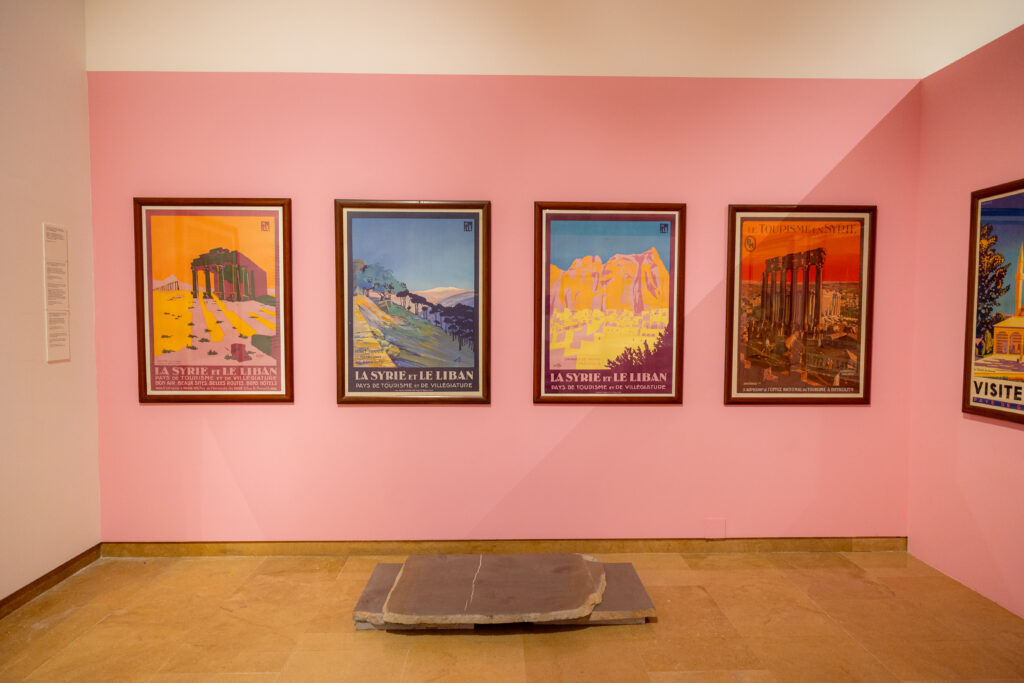
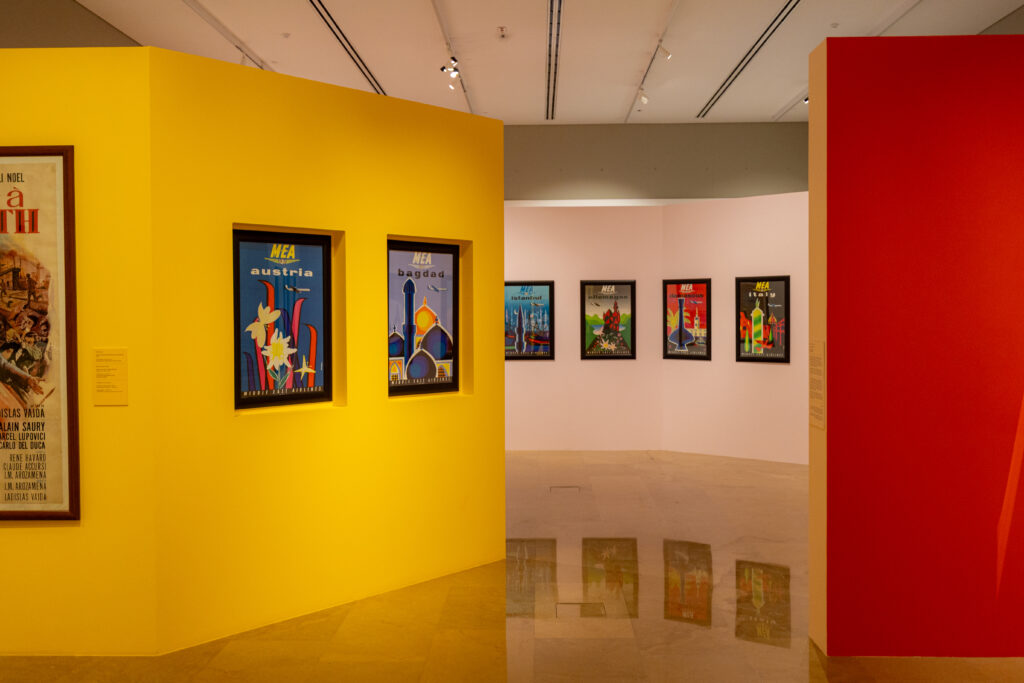
Views from the exhibition Impressions of Paradise.