
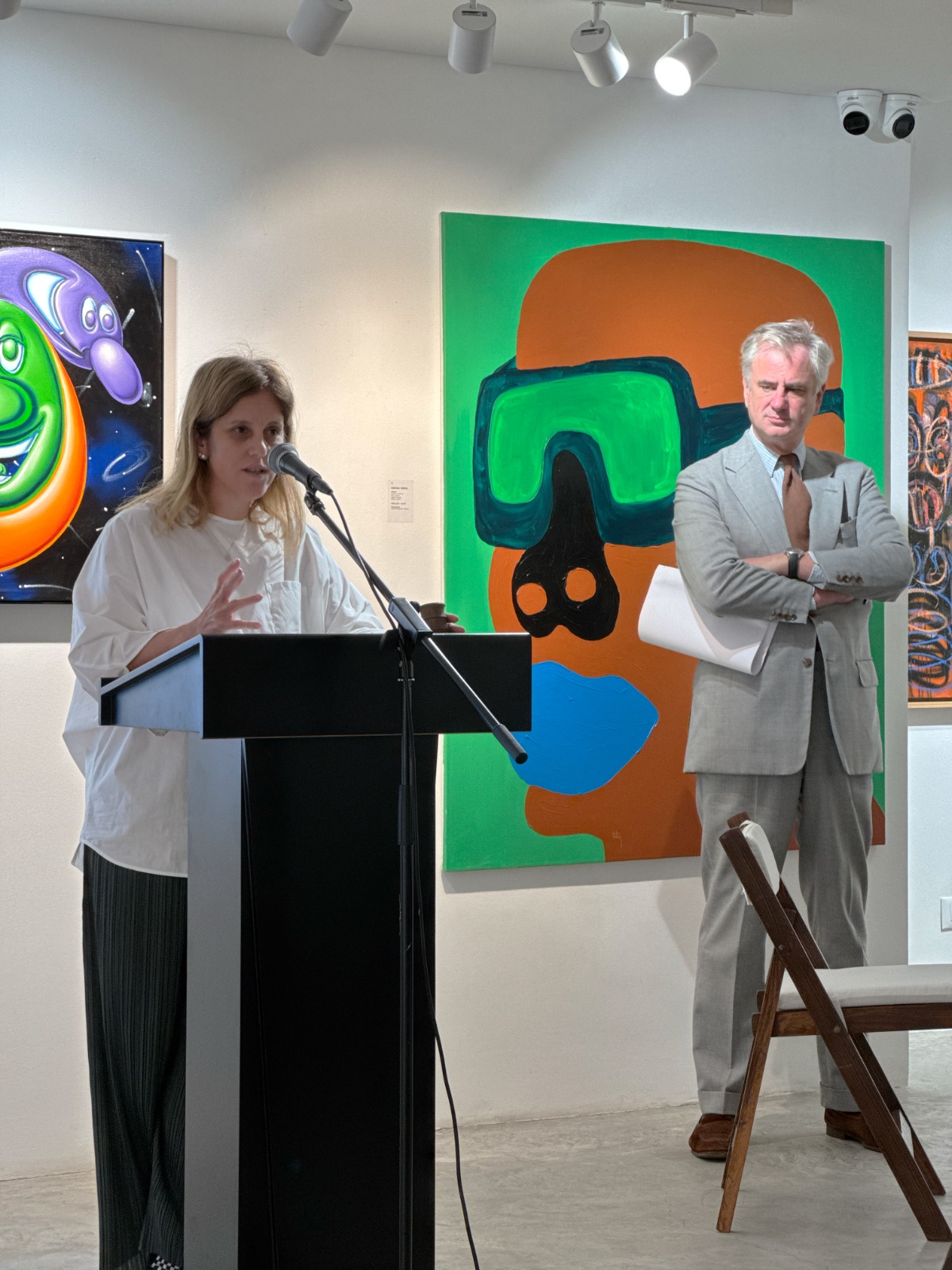
In 2014, Artscoops began as Raya Mamarbachi’s answer to a simple gap: access. In a regional market still anchored in physical spaces, she imagined a digital platform where new collectors could find their footing and artists could reach audiences far beyond their immediate circles. A decade on, her clarity and candour remain central to how Artscoops operates. In our conversation, she reflects on the early resistance, the shifts transforming the market, and why democratizing discovery still drives her work today.
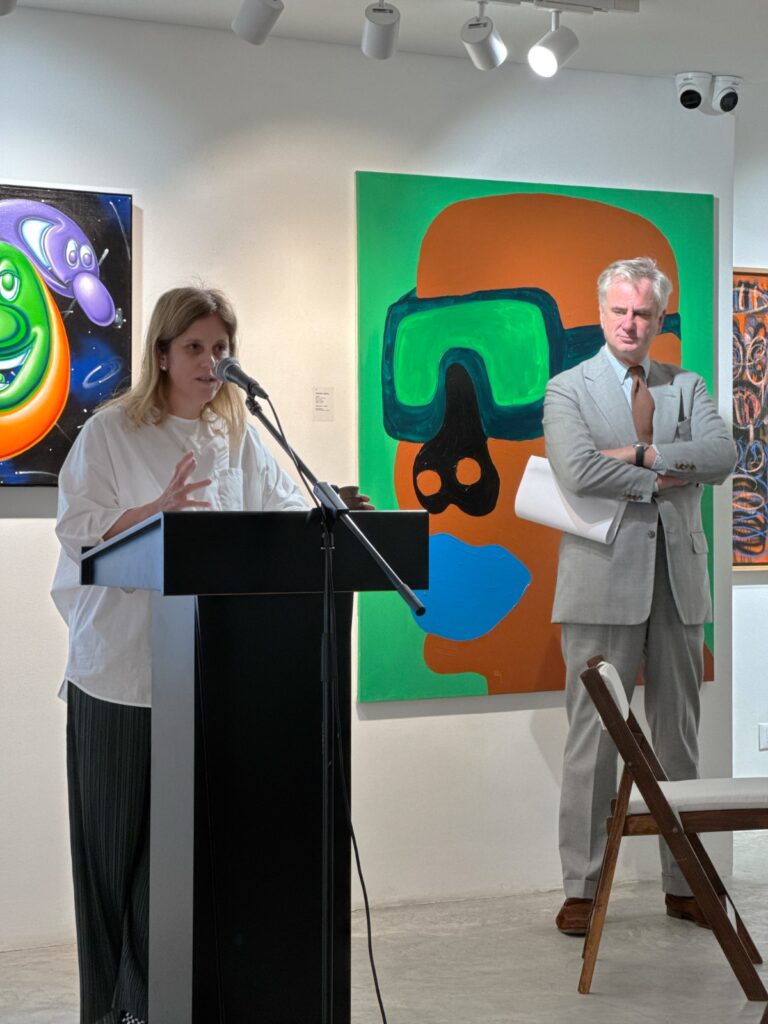
Can you take us back to the very beginning — how did Artscoops come to life? What was happening in the regional art scene at the time, and what gap did you feel compelled to fill when you launched the platform?
It all started back in 2014. As someone who was passionate about art but also had a digital background, it was becoming increasingly clear that there was a gap in the market for an online website focused on MENA art. I could see that very little was being done to showcase artists from the region abroad. The only way you could buy the work of contemporary MENA artists was by making the journey to a physical gallery, which can be challenging and inconvenient – especially for collectors who are just starting out. Not all in-person galleries are especially approachable either.
My idea was to make it easier for enthusiasts and collectors to get involved and, in turn, democratise art. At this time, the regional art scene was focused primarily on shows. Online auctions were a relatively new idea, with Paddle 8 the only other platform I could see providing this service. The time felt right to step in and fill a gap by showcasing and selling art online to collectors, especially the next generation.
You launched the platform at a time where the regional market was, perhaps, not fully ready for this model and format. What did that early resistance look like – be it from gallerists, artists, or collectors? How were you able to overcome these barriers, gain market trust, and establish credibility?
The main resistance came from galleries. Many of them were sceptical about the idea of anyone buying art online, or without seeing it in person. On the other side, however, artists were extremely receptive to the idea and willing to give it a try since, from their viewpoint, it provided them with a new channel for selling their work. Today’s contemporary artists are also inevitably tech savvy, so there was little in the way of hitches when it came to uploading their work and using our CMS system.
Collectors also quickly got used to the format, and I think that’s because the internet was evolving rapidly and some other platforms like artsy.net and emergeast were now appearing.
Admittedly, it took time to gain the market’s trust. Partnering with well-established galleries helped us in this respect. As we gained traction and achieved higher numbers of sales, we gained more credibility and carved out a place for ourselves on the regional art scene.
Step by step, we have been able to expand our services. Having started out as a digital platform showcasing Middle Eastern art, we have tapped into the secondary market with both in-person live and online auctions. Most recently, we have also begun undertaking private sales and will soon add this marketplace to the platform. Today, we have over 200 artists on board and are proud to have grown into a multi-faceted platform.
Artscoops offers auctions, private sales and curated showcases, each serving a distinct purpose. Could you walk us through these different pillars of the business and how they work in complementarity to define Artscoops today?
We’re proud of the different arms of the business and the way they dovetail with the way that the art scene operates today. The Gallery section of our platform is focused on the artists that we showcase. We work with a carefully chosen selection of local and regional artists whom we place on the Artscoops site. Once every three months, we hold a show [that] is either online or hybrid in format. These sometimes feature the work of one artist or otherwise, take the form of a group show on a specific theme – such as ‘emerging artists’ or ‘women artists in MENA’ – in which we can showcase selected artists’ works.
Our Auctions focus on the secondary market and feature preloved/resale works. Collectors and enthusiasts have realized that our auctions are a great way of finding artworks at competitive prices. Often, the works come to market because the owners are looking to upsell or downsize, or have simply acquired different tastes. These pieces are usually not currently being exhibited in a gallery, which means they can be offered at a lower price.
Our Private Sales service is focused on the buying and selling of fine art outside of the auction room. Sometimes sellers may want to arrange an immediate sale for various reasons. In these scenarios, they contact us and the artwork is placed for sale. We can have up to ten works for sale at any one time, with pieces changing regularly. Many private sale clients prefer this way of working. Some aren’t keen on auctions, owing to concerns that the work may not sell, for example, while others simply prefer to sell quietly, privately and anonymously. Each arm of our services complements the others, whether it’s introducing collectors to artists, building a secondary market for an established artist in the auction market, or selling a special piece privately.
A core part of Artscoops’ identity is supporting regional talent. What is your thinking and process in identifying artists you would want to feature and promote? What role do you reckon the platform is playing beyond amplifying the presence and visibility of these artists locally and regionally?
We usually look out for artists that are mid-established. Admittedly, there can be challenges to presenting and selling the work online of emerging artists who are just starting out. However, if an artist has already shown their work in a few exhibitions or won a prestigious prize, that provides useful credibility for online buyers. Other than amplifying the presence of our featured artists, we are also spotlighting their heritage and showcasing the region’s rich history to the world through art, which is immensely satisfying.
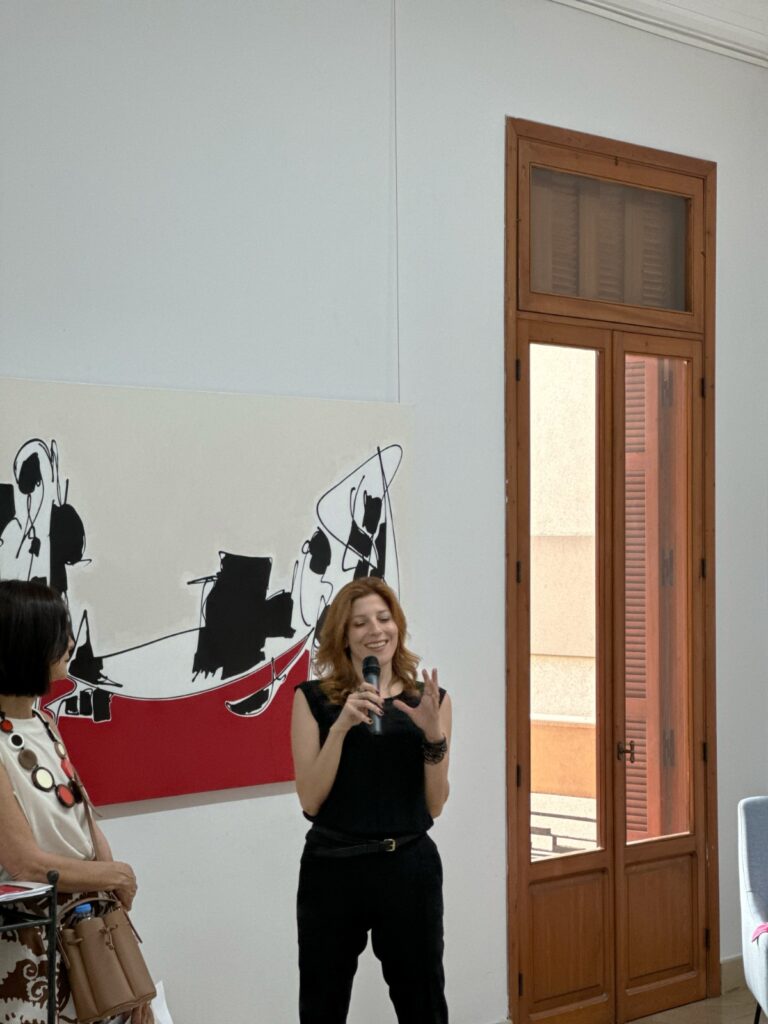
Supporting young artists comes with its share of challenges – but equally, rewards. What barriers have presented themselves when it comes to identifying and nurturing emerging talent from the Middle East, and how are you overcoming them? What opportunities get you most excited about this next generation of artists?
Finding the artists we want to showcase can be a challenge, as can making decisions on what is good art and what is perhaps less so. It’s also not always easy to nurture artists due to an ongoing lack of exhibition spaces, mentorship opportunities and platforms that connect emerging talent to curators and collectors. Another barrier is the lack of art critics on the scene. Themes and narratives can sometimes be an issue, with regional artists often focused on expected narratives such as identity, tradition and conflict. Many create art through a political lens.
What really excites me is when I have the opportunity to present works by an emerging artist and get to see the response of the collectors. We recently showcased Zouheir Merhebi, a multi-disciplinary, Swedish-Lebanese artist who works primarily in wooden sculptures, characterised by totemic symbols and human forms. The show* was a huge hit and we sold out in three days.
Much of regional art has been largely geared toward preserving cultural narratives, identity and discourse – in today’s context more than ever. What is your take on this intentional focus among the region’s artists? What role and responsibility do you believe Artscoops owns in this direction, particularly as it expands and operates in global art circuits?
I think it’s important to preserve our region’s history and narrative, especially in the global context. We owe it to the artists to make online shows, explore further these narratives and to give them a platform where collectors can easily see their work showcased. The significance of this mission has undoubtedly grown in part due to the large Middle Eastern diaspora spread globally, with art offering people a way of retaining important connections with their homeland, heritage and identity.
Themes that resonate deeply with diaspora collectors, such as identity, displacement and the experience of living between cultures, certainly drive demand. By offering greater accessibility to both collectors and artists during what can be challenging times, we see ourselves as part of broader efforts to democratise art and support artists, and we’re proud that our platform is facilitating these important connections.
How have regional and international collectors changed over the past decade in terms of profile, preferences, and approach? Have these changes presented new challenges and/or opportunities for Artscoops’ model and mission? If so, how? What commonalities and differences would you draw between regional and international collectors, if at all?
I’ve noticed that regional and international collectors today are younger in age. In previous years, most art was being bought by people aged over 45. But today, we see collectors as young as 21 entering the market.
The profile of buyers is also changing, with collectors focused more on the idea of art as an investment or asset class, rather than simply buying what they like. There’s also a trend among collectors to think in very specific terms of how to add to their collection, such as a focus on a style, medium or clear themes, such as portraits, women artists, modernists, abstract art or tapestries, for example.
One other pattern evident among international collectors is a move among family businesses to establish their own collection at their offices or other premises.
In addition, we have a large number of collectors who tell us that they want to invest “in the next big artist”. Of course, we are unable to wave a magic wand in that respect. However, Artscoops’ role has undoubtedly changed over the last 10 years, evolving from primarily introducing emerging artists in the region and raising awareness about their work to adding established artists to the site, from Helen Khal to Etel and many others.
Looking ahead, what’s one assumption about the art market you’d like to challenge in the next decade?
There is still a preference among private collectors and dealers to only sell their high-end works through private sales and auctions. I’d like to encourage them to trust the process and begin putting these pieces on platforms.
* https://artscoops.com/exhibition/curves-and-holes